
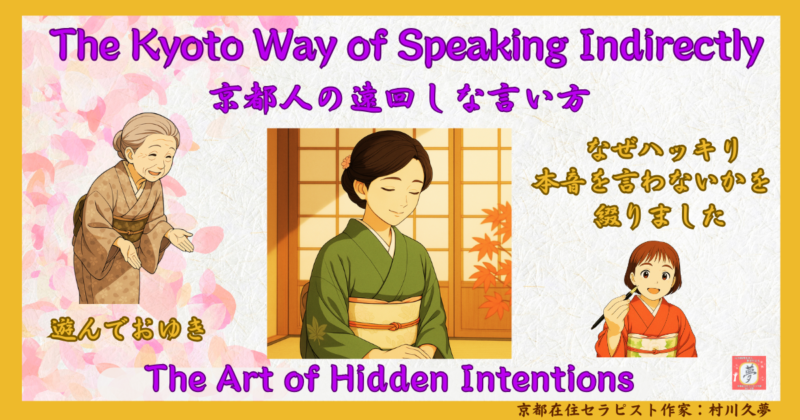
こんにちは、久夢です🥰
私のブログ記事の中でも特に「京都人の遠回しな言い方」についての記事は、日本国内だけでなく、海外の方々からも大変な関心を寄せていただいています。
「Kyoto communication style」や「Kyoto indirect speech」といったキーワードで多く検索され、読まれていることに驚いています。
そこで今回は、この「本音を隠し、婉曲に伝える」という奥深い京都文化の核心に迫る記事を、海外の読者の皆さんにもお届けしたいと思い、完全な英語版を作成しました。
日本語と英語の対訳形式で、京都の人間関係を円滑にするためのことばの機微を、実体験とともにご紹介します。どうぞお楽しみください。
Hello everyone! This is Kumu🥰
Among my blog posts, the article on “The Indirect Language of Kyoto” has drawn significant interest not only in Japan but also from readers overseas. I’m surprised by how frequently it’s searched for and read under keywords like “Kyoto communication style” and “Kyoto indirect speech.”
To share the core of this unique Kyoto culture—the subtlety of hiding true intentions and communicating indirectly—with a global audience, I’ve created a complete English version of the article.
Presented in both Japanese and English, this post shares my personal experiences to delve into the nuances of language used in Kyoto to maintain harmony in relationships. Enjoy the read!

“The Kyoto Way of Speaking Indirectly – The Art of Hidden Intentions(京都人の遠回しな言い方)
People in Kyoto tend to speak indirectly, rarely stating their true intentions clearly. This is a defining characteristic of the Kyoto communication style.
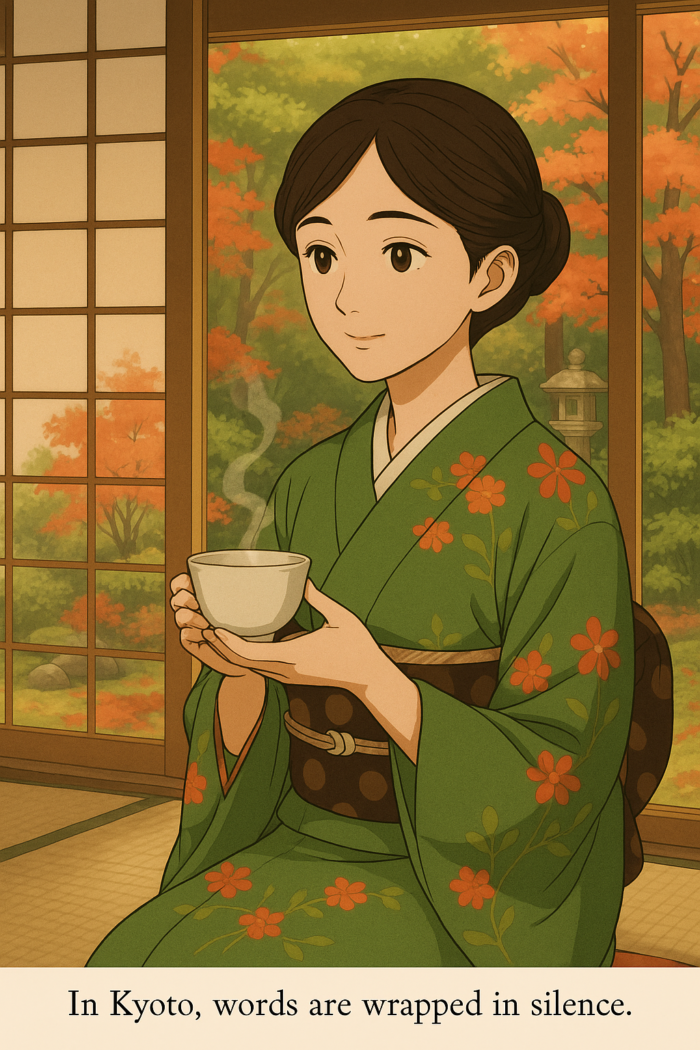
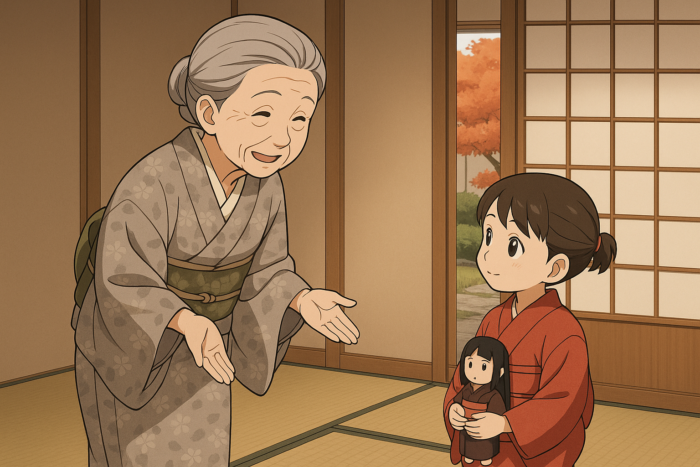
When I was a child, my strictly traditional Kyoto-born grandmother told me that even if an adult said, “Do come in and stay a while to play” (お家に上がって、遊んでお行き – Oie ni agatte, asonde oiki), I was absolutely forbidden to enter the house. Why? Because if I took them seriously and actually went inside to play, they would gossip behind my back: “She actually came in when I told her to—what a brazen child!”
京都人は、遠回しにものを言って、本音をハッキリ言わない傾向があります。京都人のコミュニケーションスタイルの特徴なのです。遠回しな言い方で、本音をハッキリ言いません。
私は、子どもの頃、生粋の京女の祖母から「お家(おいえ)に上がって、遊んでお行き」と大人に言われても、「絶対に上がってはいけない」と厳しく言いつけられていました。もし、本気にして上がって遊んでいきでもしたら、「『上がって遊んでお行き』と言うたら、ホンマに上がって行ったわ、厚かましい子や!」と陰口を叩かれるからなんです。
▶”It’s Fine with Us, But…” (うちはええんどすけど……)
I once visited the house of my grandmother’s younger brother, my great-uncle. Since a girl my age lived there, I became absorbed in playing until it was well past dinner time.
I was delighted when the gentle, beautiful aunt said, “Why don’t you stay for dinner today?” (Kyō wa uchi de gohan tabete oikiyasu). However, she then called my mother and said something like this:
“I apologize for keeping Kumu-chan this late. It’s fine with us (うちは、かまへんのどすけど – Uchi wa kamahen no dosukedo), but I was worried that her family might be concerned, so I called.”
My mother rushed over immediately, and I was taken home. She didn’t say a single word to me on the way back.
Once home, I was thoroughly scolded. “It’s your own business if you behave rudely and disgrace yourself! But because of you, people will say that your manners are terrible, and your grandmother and mother will be laughed at!”
Looking back now, I realize this is a very typical Kyoto story. People in Kyoto wouldn’t directly say, “It’s dinner time, so please go home,” or “It’s late, please come pick up your child.” This manner of speaking is deeply rooted in Kyoto’s cultural background.
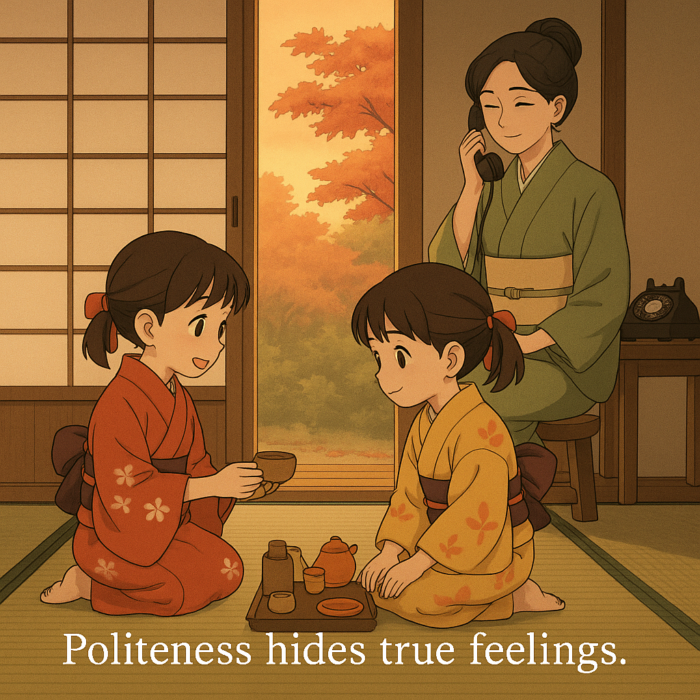
いつだったか、祖母の弟、私の大叔父の家に遊びに行ったことがありました。大叔父の家には、同じ年頃の女の子がいたので、夢中になって遊んでいたら、夕方のご飯時になってしまったのです。
「今日は、うちでご飯食べてお行きやす」と言われて、喜んでいたら、優しいべっぴんさんのおばちゃんは、私の家に電話をかけて、こんなふうに言ったのです。
「久夢ちゃんをこんなに遅うまで引き止めて堪忍どっせ。うちは、かまへんのどすけど、お家の人が心配してはったらあかんと思て、電話さしてもうたんどっせ」
電話を受けた母が、慌てて飛んで来て、私は母に連れられて家に帰ったのです。帰り道で母は、一言も口を利きませんでした。
家に帰ると、大目玉でした。「あんたが行儀知らずで、恥かくのは、あんたの勝手や!そやけど、あんたのために、躾がなってへん言うて、人さんから、お祖母ちゃんやお母ちゃんが笑われるんやで!」と言って叱られたのでした。
今から思うと、京都らしい話だと思うのです。京都人は「晩ごはんの時間やし、もうお家へおかえり」と言ったり、「遅くなったので、お子さんを迎えに来て下さい」と言ったりはしませんでした。このような使い方は、京都の文化的背景に根ざしているのです。
▶The Background of Kyoto’s Indirect Language(京都人の遠回しな言い方の背景)
This kind of indirect speaking is not just a difference in personality or culture; it is a “wisdom for survival” (ikiru chie) born from the city’s over a thousand years of history as the capital.
Kyoto was a place where various classes of people—courtiers, samurai, merchants, and artisans—coexisted for a long time. In such an environment, direct confrontation could cause conflict and unexpected disputes. Especially throughout history, as the powerful rulers (like the Shogunate and Imperial Court) changed, a single word could put one’s life in danger.
Furthermore, Kyoto is a tight-knit society where relationships often last for generations within the same neighborhood or business community. Since a person who is an opponent today might become an ally tomorrow, a culture of avoiding words that create open conflict and using euphemistic (indirect) expressions took root.
This is not simply about being “mean-spirited”; it was the wisdom necessary to live peacefully within the collective.
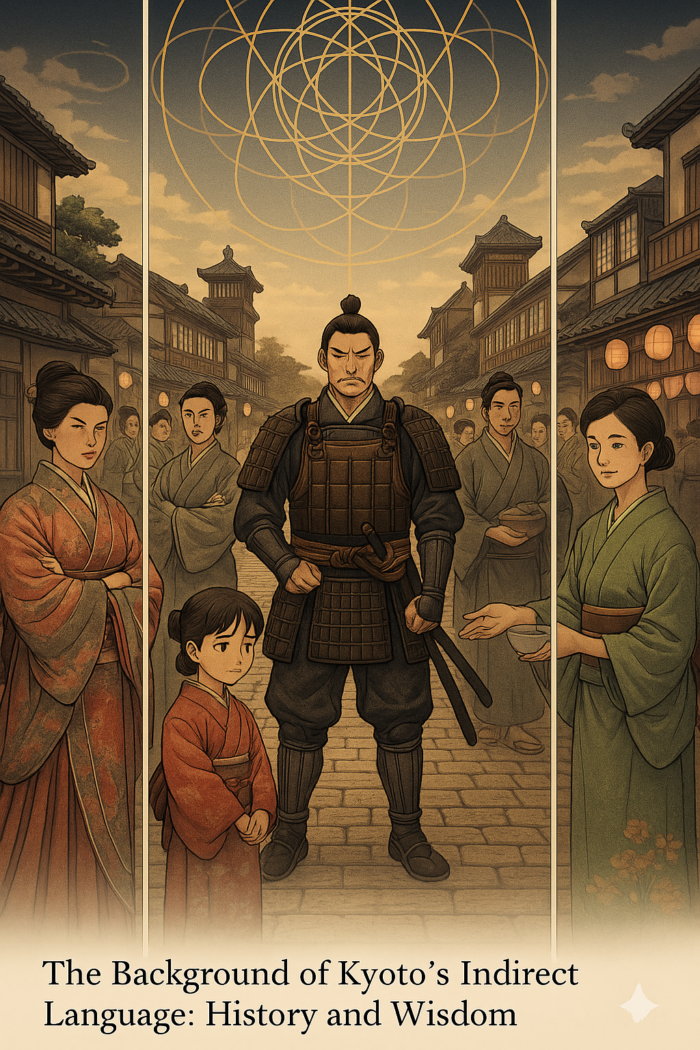
こうした遠回しな言い方は、単なる性格や文化の違いではなく、千年以上にわたる都の歴史が生んだ「生きる知恵」ともいえます。
京都は長く公家や武士、商人、職人など、さまざまな階層の人々が共存する場でした。その中で、直接的な物言いは角が立ち、思わぬ争いを招く原因になりかねませんでした。
特に、幕府や朝廷といった権力者が入れ替わる歴史の中では、ことばひとつで身の危険にさらされることもあったのです。
また、京都は狭い社会であり、同じ町内や商圏で人間関係が長くつづく傾向があります。今日の相手が明日は味方にも敵にもなる可能性があるため、表立って対立を生むようなことばを避け、婉曲な表現でやりとりする文化が根付いていきました。
これは単なる「性格が悪い」といった話ではなく、集団の中で穏やかに生き抜くための知恵であったのです。
▶Reading Between the Lines: The Double-Edged Nature of Indirectness(行間を読む:遠回しな表現が持つ両刃の剣)
Kyotoites strongly believe that “It is uncivilized and unrefined not to understand without being told explicitly.”
This episode happened more than 50 years ago, but even now, when someone tells me, “Come on in and have some tea,” I still think: “Is it truly okay for me to go in and accept the tea?” The true intention is often unclear.
However, Kyoto’s indirect language also has the merit of conveying one’s true feelings without directly hurting the other person. It functions as a form of politeness and consideration, and is sometimes valued as the “refinement” (okuyukashisa) unique to Kyoto.
Conversely, to people unfamiliar with Kyoto’s expressions, it can seem like “The real intention is hidden,” or that people are “two-faced,” leading to the impression that “Kyoto people are scary” or “You can’t tell what they’re thinking.”
However, this is not mere sarcasm; it is a custom cultivated through many years of history and social structure. Kyoto’s communication style may seem difficult to understand at first, but once you get used to it, there is a certain pleasure in “reading between the lines.”
This can be called the art of language unique to Kyoto, which values long-lasting relationships rather than simply being “malicious.”
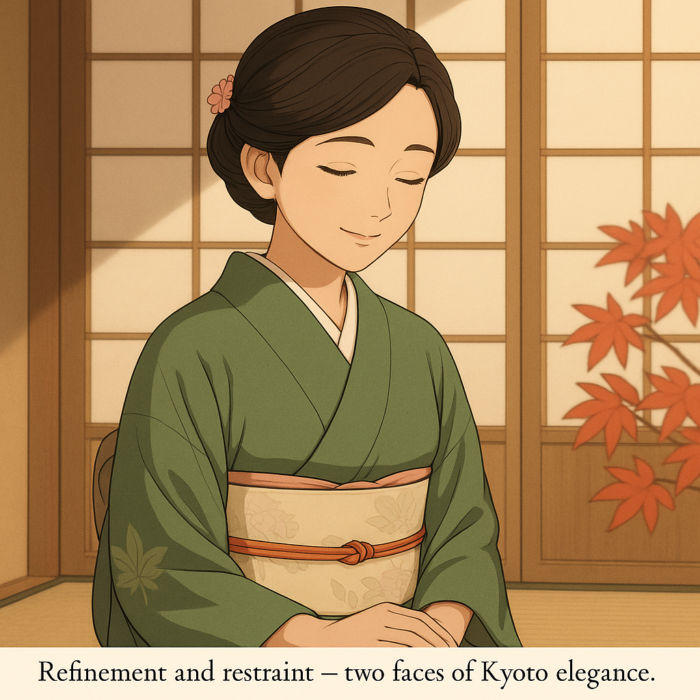
京都人は「ハッキリ言われないとわからないのは野暮。無粋なこと」という意識が強いのです。
このエピソードは、50年以上前の話ですが、私は今も、「上がってお茶でもどうぞ」と言われても、「本当に上がって、お茶をよばれてもいいのやろうか?」と思ってしまいます。本音がよくわかりません。
しかし、京都の遠回しな言い方には、相手を直接傷つけずに本音を伝えるというメリットもあります。これは礼儀や気遣いとして機能し、京都ならではの「奥ゆかしさ」として評価されることもあります。
逆に、京都の言い回しに慣れていない人には「本音がわからない」「裏表がある」と映ることもあり、「京都人は怖い」「何を考えているかわからない」といった印象を持たれることもあります。
とはいえ、これは単なる嫌味ではなく、長年の歴史と社会構造の中で培われた習慣なのです。京都人のコミュニケーションは、一見すると分かりにくいかもしれませんが、慣れれば「行間を読む」楽しさがあります。
これは、単なる「意地悪」ではなく、長くつづく人間関係を大切にする京都ならではのことばの芸術ともいえるでしょう。
▶My Kyoto Temperament: A Love-Hate Relationship(私の京都気質:愛憎半ばする関係)
I was born and raised in Kyoto. While I understand that Kyoto people speak indirectly and rarely reveal their true intentions, honestly, it’s also a side of Kyoto that I rather dislike. It’s tiring because it requires so much consideration and reading the air, but I suppose that’s just the Kyoto temperament.
私は京都生まれで京都育ち。京都人は遠回しにものを言って本音は言わないことを理解してはいますが、正直言って、それは京都のけっこう嫌いな一面でもあるのです。気を使うので嫌だけれど、京都人気質かも知れないですね。
( “The Kyoto Way of Speaking Indirectly – The Art of Hidden Intentions:京都人の遠回しな言い方)☆村川久夢)

<『ああ、京都人~今を生き抜く知恵おしえます~』>

*村川久夢は京都生まれの京都育ち。一人の京都人の目を通して、京都や京都人について、拙書『ああ、京都人~今を生き抜く知恵おしえます~』に書きました。
戦争や政争が絶えなかった京都で、生き抜いて来た京都人の知恵を、また、観光化されていない日常の京都や地元の人に愛されている京都の穴場、食べ物やお店についても新著に書きました。
*電子書籍(Amazon Kindle「読み放題」に登録されている方は0円でご購読いただけます)一般価格は700円です。ペーパーバック(1,320円)もございます。下記よりお申込み下さい。
本書で、京都好きな方はもっと深く京都を好きになり、今まで京都と縁がなかった方は京都を身近に感じて頂けると思います。ぜひ「あなたの知らないもうひとつの京都」を見つけてください。

「ああ、京都人シリーズ」は、一京都人として、京都の魅力を描いたエッセイ集です。あなたの知らない素顔の京都についてお伝えします。下記ボタンからどうぞ。
◆書くことで「本当にやりたいこと」が見つかる無料メール講座

今まで家族のために生きてきたけれど、そろそろ「✨️自分のために生きてみたい✨️」と思っているあなた。
とは言うものの、「どうせ私なんか無理よ。今からでは遅すぎる」「本当にやりたいこと」が何かわからない……。そんなふうに感じていませんか?
この無料メール講座は、「どうせ私には夢なんて見つからない…」
「自分のために生きると言われても、本当にやりたいことがわからない……」
と思っているあなたが、メールのワークにそって、自分の気持ちを書きます。
書くことで、自分自身と静かに向き合いながら、今まで気づかなかった「やりたいこと」や「本当の私」を見つけていきます。
「書くことで本当にやりたいことが見つかりました!」―そんな人が増えています。
講座は、無料でメールアドレスだけで登録できます。いつでも解除OKです。高額な商品やサービスの購入勧誘もありません。安心して下さいね。
メール講座の詳細やご登録は、下記ボタンをクリックして案内ページにお進み下さい。

🎁無料メール講座の登録登録は「京ことばセラピーメッセージ」
*「10日間で『本当にやりたいこと』が見つかる無料メール講座」で夢を見つけよう。
*やわらかな「京ことばセラピーメッセージ」であなたに問いかけます。
▼詳しくは下記ボタンから
<村川久夢ホームページトップ>
*村川久夢ホームページトップでは、「最新ブログ7日間」や「ああ、京都人シリーズ」などを紹介しています。ぜひご訪問下さい。
